Forex Trading: A Beginner's Guide
Understanding Forex Trading
Forex trading, or foreign exchange trading, involves the buying and selling of currencies on the foreign exchange market. This market is one of the largest and most liquid markets in the world, with daily trading volumes exceeding $6 trillion. For beginners, understanding the fundamentals of forex trading is crucial for success in this dynamic environment.

What is the Forex Market?
The forex market is a global marketplace for exchanging national currencies. It operates 24 hours a day, five days a week, and is decentralized, meaning there is no central exchange. Trading occurs over-the-counter (OTC) through a global network of banks, brokers, and financial institutions. This accessibility makes forex trading appealing to individual traders worldwide.
How Forex Trading Works
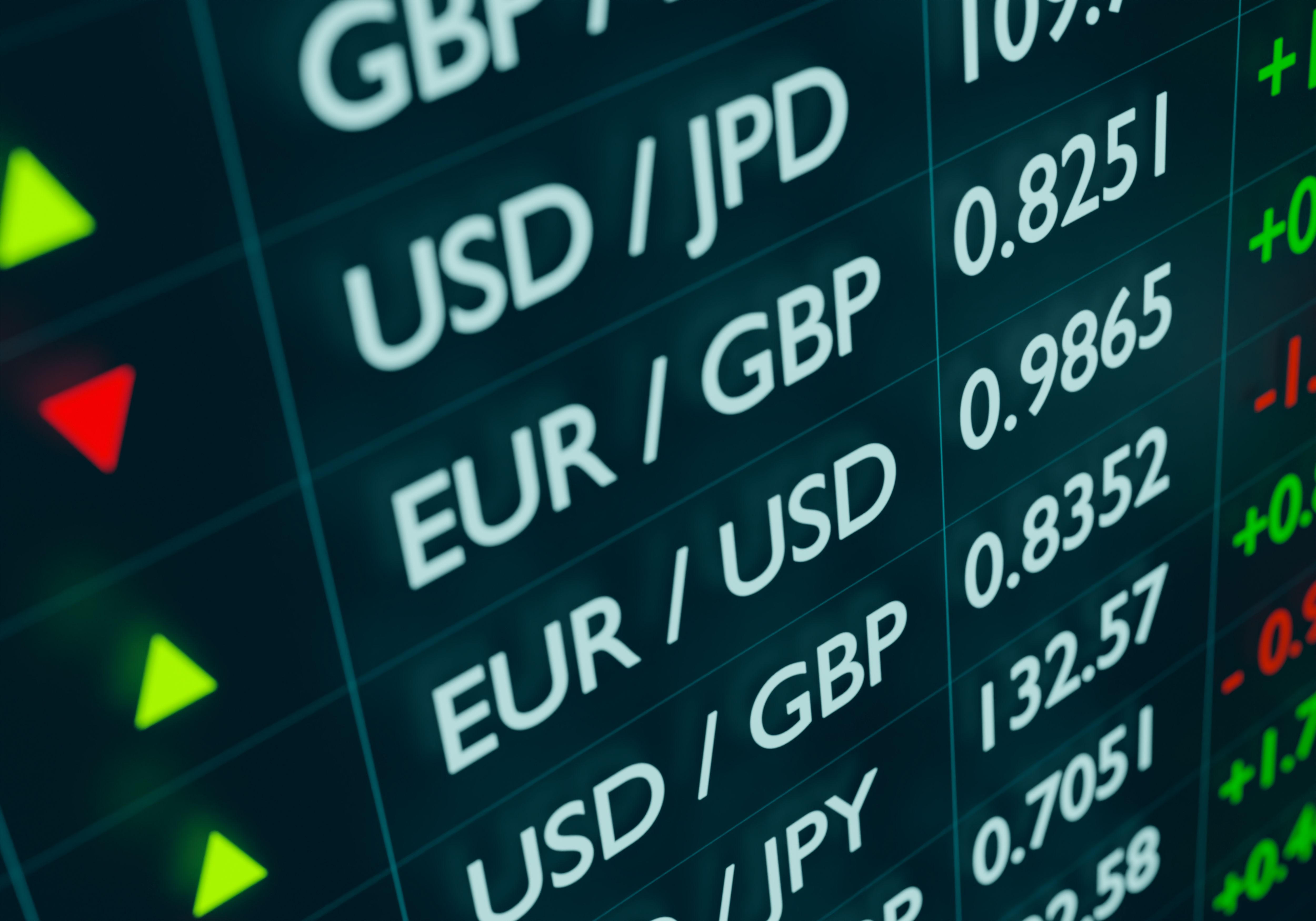
Forex trading involves pairs of currencies, known as currency pairs. Each pair consists of a base currency and a quote currency. Traders speculate on whether the base currency will strengthen or weaken against the quote currency. For example, in the EUR/USD pair, the euro is the base currency, and the US dollar is the quote currency.
Getting Started with Forex Trading
Before diving into forex trading, it's essential to educate yourself about market dynamics and trading strategies. Many brokers offer demo accounts that allow beginners to practice trading with virtual money. This hands-on experience can help new traders understand how the market operates without risking real capital.
Choosing a Forex Broker
Selecting the right forex broker is a critical step in your trading journey. Consider factors such as regulation, trading platforms, customer support, and fees. It's important to choose a broker that aligns with your trading goals and offers a user-friendly platform.

Developing a Trading Strategy
A well-defined trading strategy is essential for success in forex trading. This strategy should include your trading goals, risk tolerance, and preferred trading style. Common trading styles include day trading, swing trading, and scalping. Backtesting your strategy on historical data is also a valuable practice to refine your approach.
Managing Risk in Forex Trading
Risk management is a crucial aspect of forex trading. Traders should use tools like stop-loss orders to limit potential losses and protect their investment. Additionally, it's important to avoid over-leveraging, which can lead to significant losses. A disciplined approach to risk management can help traders maintain a sustainable trading career.
In conclusion, forex trading offers exciting opportunities for those willing to learn and adapt. By understanding the market, choosing the right broker, developing a solid strategy, and managing risk effectively, beginners can navigate the complexities of forex trading with confidence.