Understanding Purchasing Power in Currency
Understanding Purchasing Power in Currency
Purchasing power is a fundamental concept in economics that refers to the value of a currency expressed in terms of the amount of goods or services that one unit of money can buy. It is a crucial factor in determining the economic well-being of individuals and nations. Understanding purchasing power can help you make more informed financial decisions.
The purchasing power of a currency can fluctuate due to various factors, including inflation, interest rates, and economic policies. When inflation rises, the purchasing power of money decreases, meaning you need more currency to buy the same amount of goods or services.
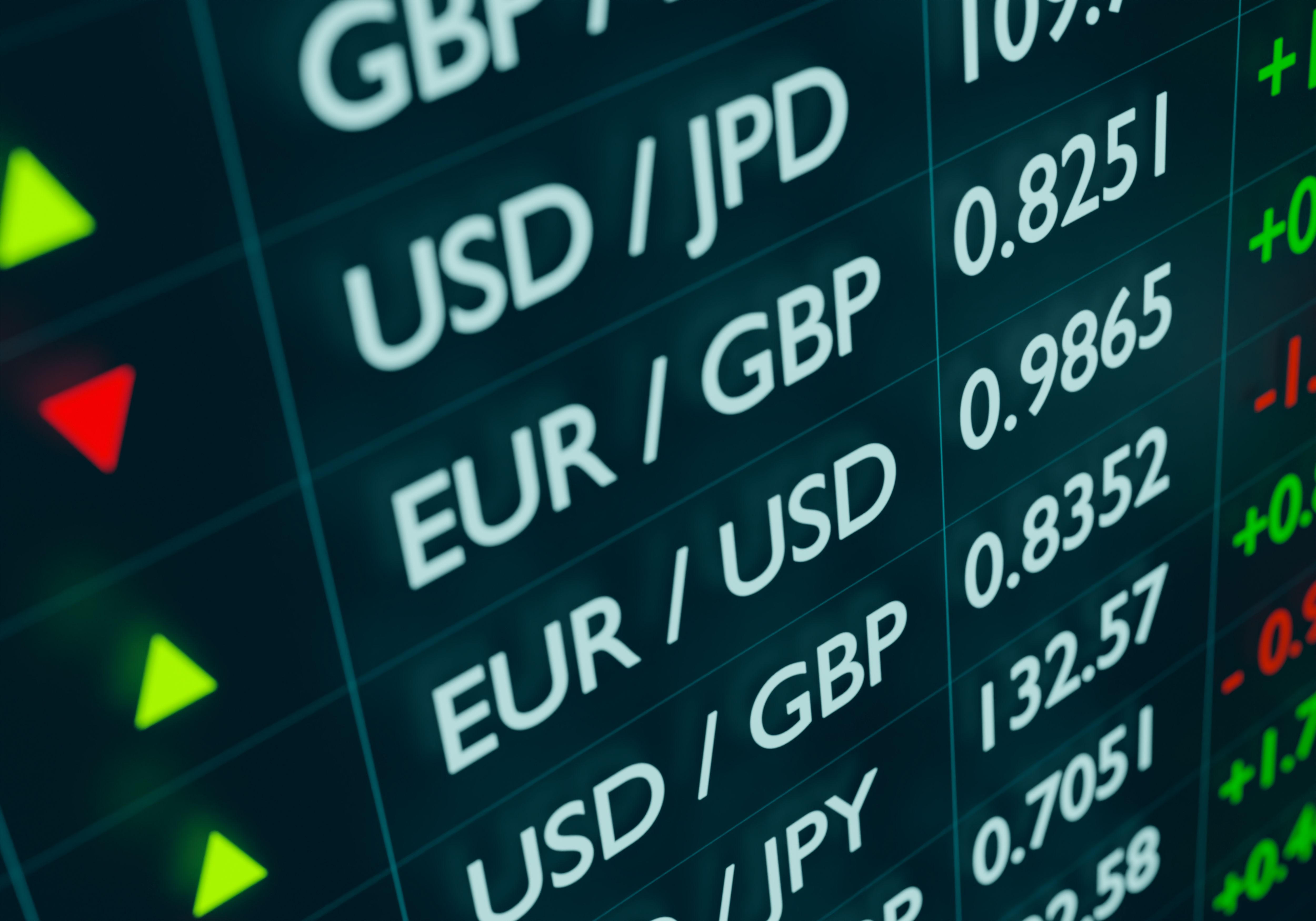
Factors Affecting Purchasing Power
Several factors can influence the purchasing power of a currency. Inflation is perhaps the most significant factor, as it directly affects the cost of living. When prices rise, the purchasing power of money falls, leading to a decrease in consumer purchasing capability.
Interest rates also play a critical role. Higher interest rates tend to attract foreign investment, leading to an appreciation of the currency and an increase in purchasing power. Conversely, lower interest rates can lead to depreciation and reduced purchasing power.
Impact of Economic Policies
Government policies can have a substantial impact on the purchasing power of a currency. Fiscal policies, such as taxation and government spending, can influence economic growth and stability, thereby affecting purchasing power.
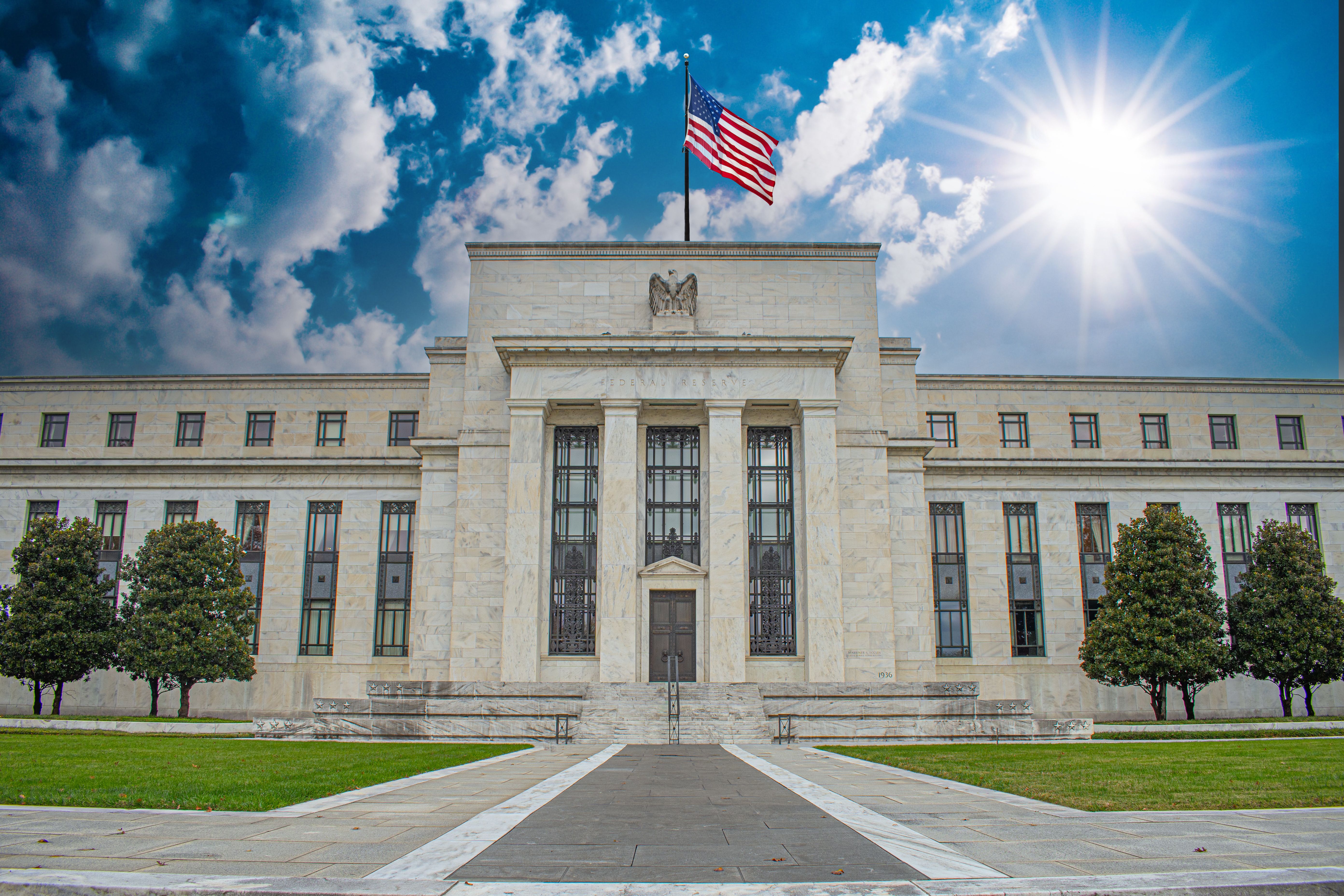
Monetary policies, including control over the money supply and interest rates, are also significant. Central banks use these tools to maintain price stability and control inflation, which directly impacts purchasing power.
Measuring Purchasing Power
Purchasing power is often measured using the Consumer Price Index (CPI), which tracks changes in the price level of a basket of consumer goods and services. A rising CPI indicates inflation and a reduction in purchasing power.
Another method is the Purchasing Power Parity (PPP) theory, which compares different countries' currencies through a "basket of goods" approach. PPP allows economists to compare economic productivity and standards of living between countries.
Why Purchasing Power Matters
Understanding purchasing power is essential for both individuals and policymakers. For consumers, it affects budgeting and financial planning, as changes in purchasing power can impact savings and expenses.
For businesses, purchasing power can influence pricing strategies, investment decisions, and market competitiveness. It is vital for companies to monitor currency fluctuations to protect their interests.

By keeping an eye on purchasing power, individuals and organizations can make more informed decisions, adapt to economic changes, and ultimately improve their financial stability. Whether you're planning personal finances or managing a business, a good grasp of purchasing power dynamics is essential for success.